
Reporting

The GSF currently reports indicators and data for 12 topics, which are outlined in the first annual report. Further work is required in order to satisfactorily report against the remaining 9 topics in future.

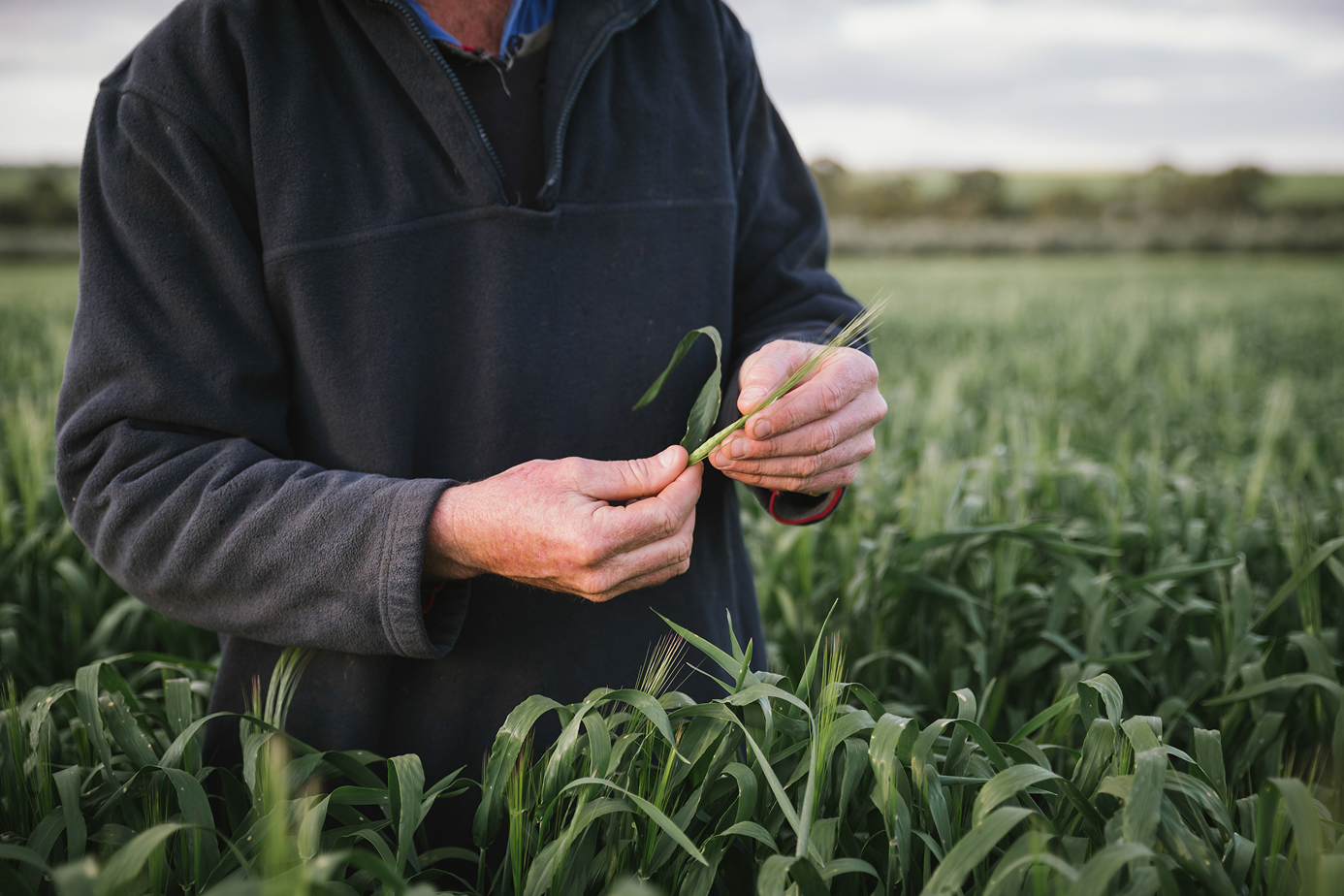
gsf_farmer_1

Indicators and Data

The GSF tracks industry progress through clear topic indicators and relevant metrics. GSF reporting is underpinned by credible and nationally representative data.

Reporting Architecture

The GSF applies a clear reporting structure as follows

Theme → Topic → Indicator → Metric → Data

This structure creates a clear, consistent line of sight from high level sustainability themes to specific, credible data used to establish and track industry performance over time.

Temporal Classification of Data

Reported data are classified as

  • Baseline - the first data point used as a starting point to track change over time.
  • Trend - demonstrating a pattern over time
  • Comparison - too few data points to demonstrate a trend

Data Sources

The GSF sources data from established national datasets because they are reliable, consistent and representative. These datasets are updated regularly, removing the need for repeated one-off data collection. Their alignment with regulatory and reporting standards also strengthens transparency and reproducibility, allowing robust comparison over time. All data sources can be found in the reference section of the annual report.

See the latest from GSF

Subscribe to receive updates from the Grain Sustainability Framework including news and reports.

GSF_Report_Download_TRANSPARENT

2026 Annual Report

The 2026 Annual Report provides a streamlined view of the Grain Sustainability Framework reporting framework and the first set of baseline and trend data.

Supporting detail including topic definitions, data tables, and methodology is available throughout this website.